
Pre-Residency Ocular Oncology Research Fellowship
About the Wilson Lab
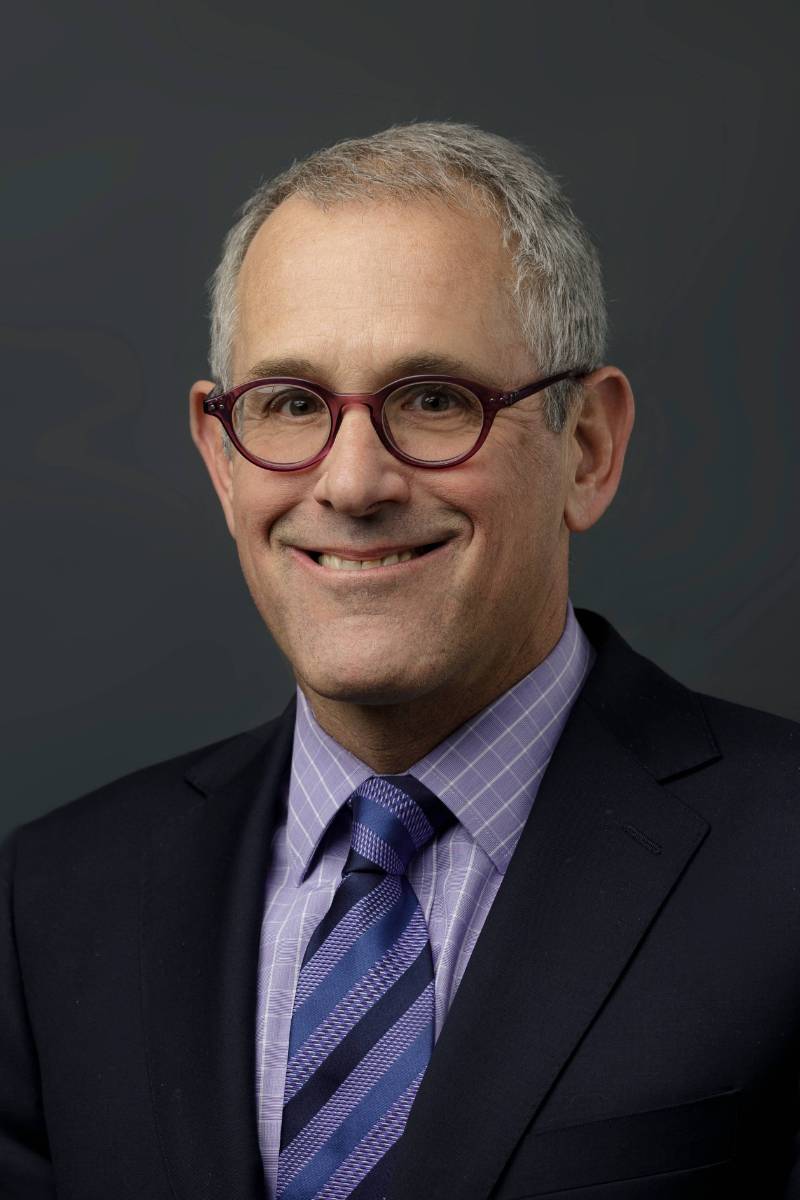
This collaborative fellowship between Dr. Matthew Wilson MD, FACS, Chair of Ophthalmology at the University of Tennessee Health Science Center Hamilton Eye Institute, and Dr. Lawrence Pfeffer PhD, Professor in the Department of Pathology, focuses on advancing the understanding of ocular oncology through integrated clinical and research activities.
Dr. Wilson serves as the Barrett G. Haik Endowed Chair, Professor and Chair of the Department of Ophthalmology, and Director of the Hamilton Eye Institute. He also serves as Chief of Ophthalmology at St. Jude Children's Research Hospital, where he holds the St. Jude Endowed Chair in Pediatric Ophthalmology.
Dr. Wilson has authored over 160 peer-reviewed publications and 20 book chapters, and received the Lifetime Achievement Award from the American Academy of Ophthalmology in 2018. His global health work through St. Jude Global has helped establish retinoblastoma centers of excellence in Central America, the Middle East, Southeast Asia, and Sub-Saharan Africa.
About the Position
This one-year pre-residency research fellowship provides training in ocular oncology before ophthalmology residency. The research fellow will lead and participate in multidisciplinary translational and clinical research focused primarily on uveal melanoma, but also retinoblastoma and conjunctival squamous cell carcinoma. This fellowship aims to equip motivated candidates with the clinical and research skills necessary for a successful career in ophthalmology, with particular emphasis on ocular oncology.
Our fellowship has a strong track record of preparing physicians for successful ophthalmology careers.
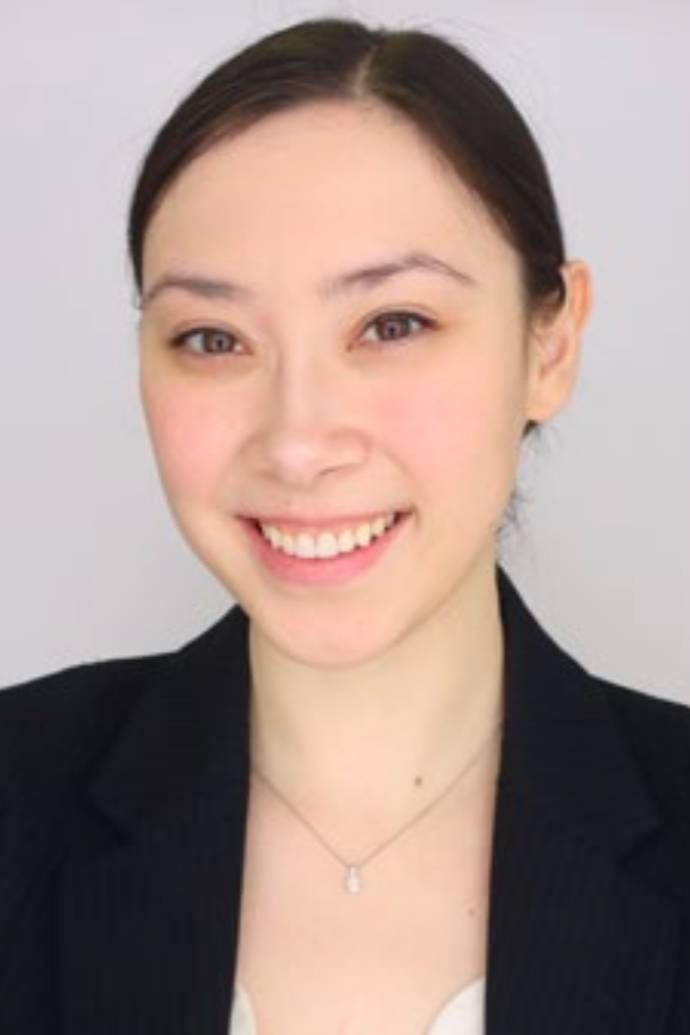
Rachael Tessem, MD
2026-2027 (Incoming)
Now: Incoming Ocular Oncology Research Fellow
University of Washington (BS) · Carle Illinois College of Medicine (MD)
Rachael Tessem earned her Bachelor of Science in Bioengineering cum laude with Interdisciplinary Honors from the University of Washington and is completing her medical degree at the Carle Illinois College of Medicine. Prior to joining the Wilson Lab, she spent over a year as a research fellow at Mayo Clinic in the Department of Ophthalmology under Dr. Lauren Dalvin, where she focused on ocular oncology outcomes research. Her work included a first-author publication in the European Journal of Ophthalmology on choroidal nevus candidacy for virtual photoscreening, co-authorship of a report on the first five years of the Prospective Ocular Tumor Study in Seminars in Ophthalmology, and contributions to the ocular tumors chapter of Abeloff's Clinical Oncology, 7th Edition. She received an ARVO 2025 Travel Grant and delivered an oral presentation at the 2025 ARVO Annual Meeting. Rachael also brings an engineering background, having led the development of an ophthalmology-focused mobile application for visual symptom communication, which received innovation and entrepreneurship awards. She will join the Wilson Lab at the Hamilton Eye Institute for the 2026-2027 fellowship year.
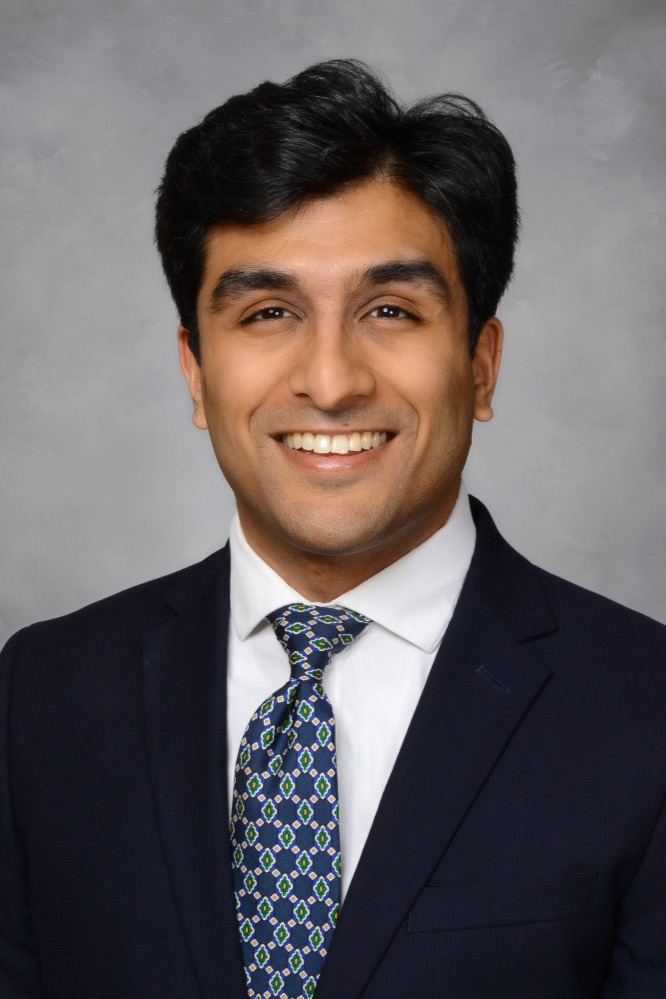
Nikhil Dave, MD, MSE
2025-2026 (Current)
Now: UTHSC Ophthalmology Resident, starting June 2026
Purdue University (BS) · Johns Hopkins University (MSE) · Indiana University School
of Medicine (MD)
Nikhil Dave is the current pre-residency ocular oncology research fellow at the Hamilton Eye Institute. He earned his BS in Biomedical Engineering from Purdue University, his MSE from Johns Hopkins University, and his MD from Indiana University School of Medicine. Nikhil brings a strong surgical research background, having developed an augmented reality surgical navigation system for orbital floor reconstruction at Johns Hopkins (IEEE), investigated whole-eye transplantation as a Plastic Surgery Research Fellow at NYU, and published a first-author scoping review in the Journal of Surgical Oncology. At the Hamilton Eye Institute, he is analyzing a large uveal melanoma database, developing tissue culture models for drug screening, and applying machine learning to evaluate BAP1 variant pathogenicity. He co-authored work presented at the 2025 AAO Annual Meeting and will continue as an ophthalmology resident at HEI in June 2026.
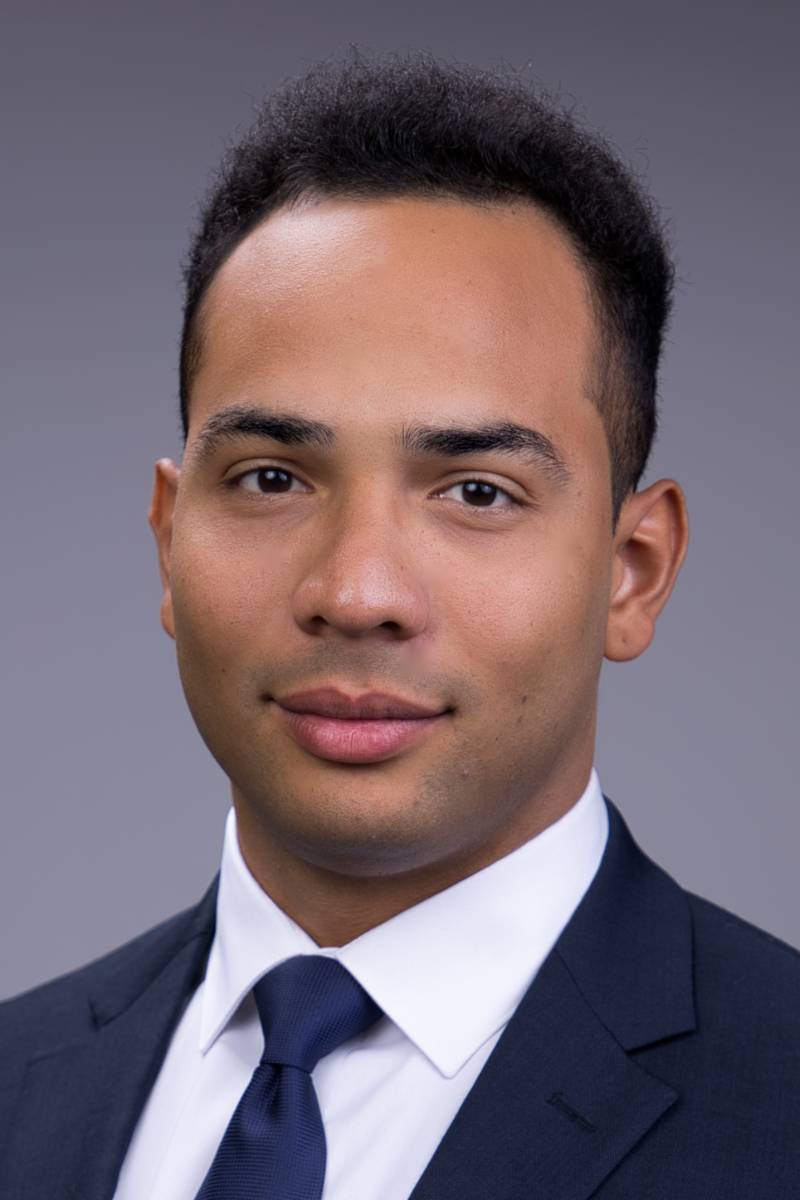
David Taylor Gonzalez, MD
2024-2025 (Inaugural)
Now: Broward Health Ophthalmology Resident
Cornell University (BS) · University of Miami Miller School of Medicine (MD)
David Taylor Gonzalez was the inaugural pre-residency ocular oncology research fellow at the Hamilton Eye Institute. He earned his undergraduate degree from Cornell University and his medical degree from the University of Miami Miller School of Medicine, where he conducted research at Bascom Palmer Eye Institute. During his fellowship year, David applied his computational biology expertise to ocular oncology research, publishing a first-author study in Ophthalmology Science using AlphaMissense deep learning to evaluate gene variants in uveal melanoma, co-authoring a report in Seminars in Ophthalmology on retinoblastoma treatment complications, and contributing publications on AI for OCT in glaucoma and protein disorder analyses in ocular tissues. His unique combination of bioinformatics and clinical ophthalmology research resulted in numerous publications spanning translational and computational ocular oncology.
Although all prior research fellows have matched successfully to ophthalmology residency programs, this is not guaranteed. The ideal candidate is individually motivated, hardworking, collaborative, and capable of learning new skills.
Research Focus Areas
- Clinical Outcomes Research: Large-scale analysis of single-center and multicenter cohorts to identify novel prognostic biomarkers and develop machine learning based survival and metastasis prediction models
- Computational Genomics: Deep learning driven evaluation of cancer gene variants
- In-Vitro Drug Discovery: Design and maintain patient-derived tissue culture models, including monolayers, three-dimensional tumorspheres, and organoids to support preclinical drug discovery
- Laboratory Research: Cytotoxicity and proliferation assays, live-cell imaging based growth analyses, tumorsphere formation assays, and molecular validation studies such as quantitative PCR for stemness and oncogenic markers
- Therapeutic Testing: Testing novel therapeutic agents including peptide drugs, recombinant antibodies, and targeted inhibitors; evaluating tumor stemness and treatment response using advanced image-based quantification techniques
Relevant Skills (Helpful but Not Required)
Tissue Culture
Biostatistics
Python
R Programming
GraphPad Prism
Data Analysis
Machine Learning
Manuscript Writing
Presentation Skills
Live-Cell Imaging
qPCR
Cell Viability Assays
Research
- Lead and participate in multidisciplinary translational and clinical research projects
- Publication of research in peer-reviewed journals
- Present research at national meetings including the Hamilton Eye Institute Summer Research Symposium, American Academy of Ophthalmology (AAO), and the Association for Research in Vision and Ophthalmology (ARVO), with full support from the laboratory
Clinical & Surgical Exposure
- Resident Clinic (half-day/week): Examine and work up patients under direct supervision
- Operating Room (half-day/week): Gain surgical knowledge and skills with clinical faculty
- Give at least one Friday morning Grand Rounds presentation to residents and faculty
Mentorship & Professional Development
- Direct mentorship from Dr. Wilson, Dr. Pfeffer, and departmental faculty
- Participate in Grand Rounds and CME activities
- Volunteer opportunities with the Mid-South Lions Club
Match Track Record: Although all prior research fellows have matched successfully to ophthalmology residency programs, this is not guaranteed. The ideal candidate is individually motivated, hardworking, collaborative, and capable of learning new skills.
Compensation & Benefits
- Stipend: $15/hr
- Benefits: Health, dental, vision available
- Conference Support: AAO/ARVO travel funded
About the Selection Process
- Degree: MD or DO from a US medical school (must be completed by start date)
- Citizenship/Visa: US citizen, permanent resident, or valid work authorization (J-1 eligible)
- Location: Must be able to work in person in Memphis, TN
- Start Date: May or June 2026 (earlier start dates welcomed)
- Current CV
- SFMatch/CAS application packet
- Letters of recommendation (welcome but not required)
- January 29, 2026
Applications open - January 31, 2026 (8:00 AM CT)
Application review begins; rolling review thereafter- Stage 1: Initial Review
Application materials reviewed for completeness and qualifications - Stage 2: Written Response
Up to 20 selected applicants asked to submit a brief (<100 words total) written response addressing:-
- Why this fellowship specifically?
- How does this fit into your career trajectory?
-
- Stage 1: Initial Review
- Informal Screening
Brief Zoom/phone conversation with current fellow - Formal Interviews
Virtual interviews with Dr. Jablonski and other lab members for up to 4 selected applicants, followed by virtual interview with Dr. Wilson - Decision
Offers extended within 48 hours of final interview. Candidates have 48 hours to respond; extensions up to 120 hours may be granted upon request.
We are happy to arrange tours, provide contact information for prior research fellows, or answer any questions to help you decide within the extension window.
Contact Us
Program Director
Matthew W. Wilson, MD, FACS
Barrett G. Haik Endowed Chair; Professor and Chair, Department of Ophthalmology; Director,
Hamilton Eye Institute
Location
Hamilton Eye Institute
930 Madison Avenue, Suite 470
Memphis, TN 38163