Fellowship Goals and Objectives
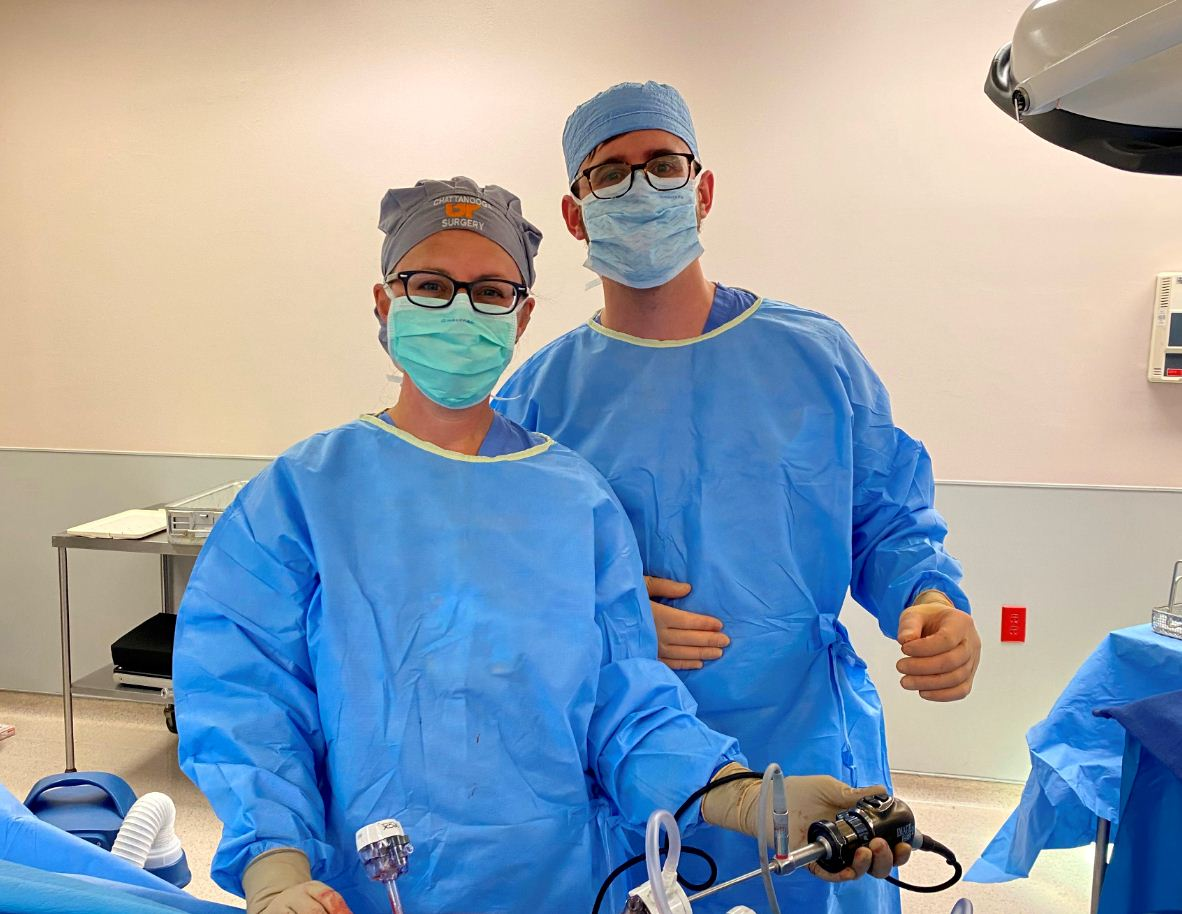
The UTHSC College of Medicine-Chattanooga Colon and Rectal Fellowship program aims to provide the highest quality training to fellows as they prepare to become safe, effective, and successful surgeons skilled in colon and rectal care.
Goals & Objectives
The specific aims of this program include:
-
- Educating the fellow to provide competent, comprehensive, and quality medical care;
- Developing knowledge, skills, and attitudes required for fellows to demonstrate competency in the ACGME core milestones (patient care, medical knowledge, practice-based learning and improvement, interpersonal communication skills, professionalism, and systems-based practice);
- Fostering high quality care in a clinical environment that recognizes limitations in duty hours while at the same time minimizing fellow stress and fatigue to maximize education and patient safety;
- Providing an environment that encourages and facilitates multidiscipline collaboration, confidentiality, cultural sensitivity, and ethical responsibility as critical components to professional development and clinical excellence; and
- Coordinating and maintaining an academic curriculum in a learning environment that prepares the fellow for certification by the American Board of Colon and Rectal Surgery (ABCRS).
Program Strengths
Fellows gain comprehensive experience with anorectal surgery, minimally invasive surgical techniques, pelvic floor center, and surgical skills in a hybrid academic/private practice setting. Our program provides superb training with a broad range of clinical experience plus abundant research opportunities under the supervision of multidisciplinary colon and rectal faculty.
Clinical Experience
Our clinical volume exceeds approximately 4,000 patients visit per year, with ~1,000 new patients. The fellow participates in preoperative patient evaluations, operative procedures, and postoperative care.
General Surgery Residents
The fellow also participates in the supervision and training of general surgery residents and medical students on their surgical rotations.